When Politicians Attack the Press: The Gachagua–Letoo Clash

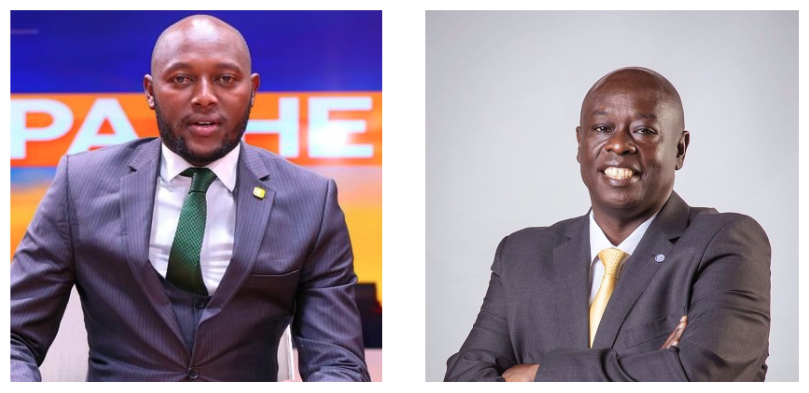
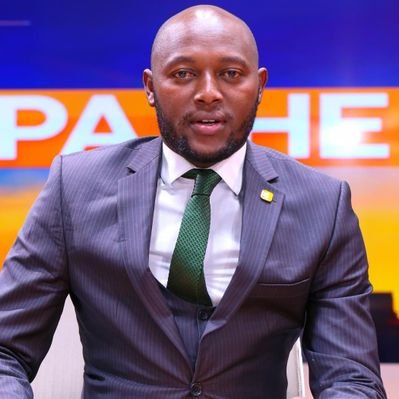
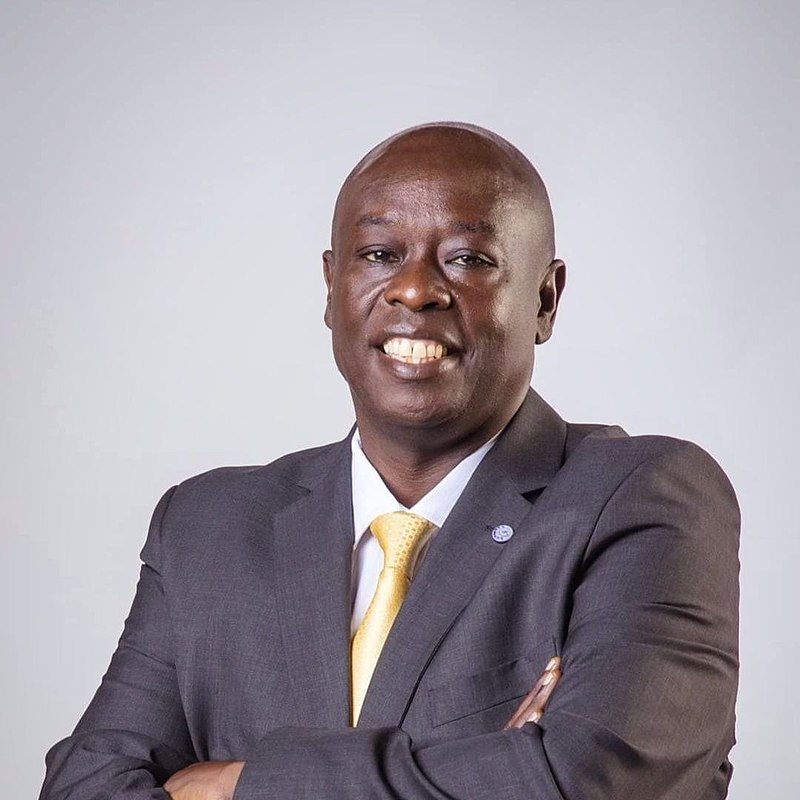
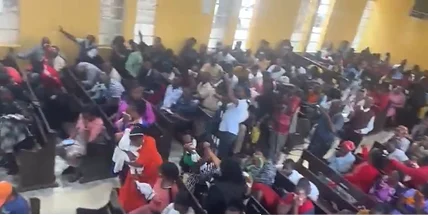
On December 3, 2025, news broke that Gachagua, now leader of the Democracy for Citizens Party (DCP), publicly condemned a report by veteran journalist Stephen Letoo of Citizen TV. Gachagua accused Letoo of “biased reporting” over the coverage of a chaotic church service in Kariobangi North, Nairobi, which Gachagua attended.
At the heart of the dispute are sharply conflicting accounts. According to Gachagua, “criminals” stormed the church during Sunday’s service; congregants repelled them, but the attackers later returned with police support, leading to tear-gas canisters allegedly thrown inside the sanctuary. He insisted Letoo’s report, which described police intervention as crowd control between rival gangs, omitted the violence against worshippers.
Letoo’s report framed the police action as an attempt to separate fighting gangs after violence erupted around the church premises. The police have since denied lobbing tear gas inside the church, and church leadership also reportedly disputed that any canisters were thrown in.
Against this backdrop of uncertainty, Gachagua’s denunciation took on a heavier tone, not only criticising the story, but calling Letoo a liar and insinuating political bias, claiming the journalist aims to contest a political seat under the current ruling party.
Why This Matters: Press Freedom, Political Pressure, and Public Trust
1. Targeting individual journalists – not just media houses
By naming Letoo personally and questioning his integrity, Gachagua transformed a standard media critique into a personalised attack. That raises the stakes: when journalists are singled out, their safety, professional reputation, and ability to report objectively come under threat.
2. Contradictory accounts and the struggle over “truth”
The conflicting testimonies, some citing tear gas inside the church, others denying it, make the facts murky. In such an environment, media reports become crucial for public understanding. When a political figure discredits the press, it risks eroding trust not just in one article, but in the institution of journalism.
3. Implications for election context and political stakes
Gachagua’s outburst comes while he builds a renewed political identity post-impeachment, positioning himself as opposition to the current administration. By attacking media reports he sees as unfavourable, he signals that political contestation may extend to controlling narratives and public perception.
4. The chilling effect on journalism and accountability
Similar to past documented incidents of press intimidation in Kenya, such public attacks, especially harsh and personal, can discourage journalists from covering sensitive political events, or lead to self-censorship. Already, local journalistic bodies have raised alarm about rising threats and violence faced by reporters covering Gachagua’s events.
Could Gachagua Have Orchestrated the Situation for Sympathy and Political Mileage?
Some analysts argue that if, hypothetically, Deputy President Rigathi Gachagua had strategically planned the situation, it could have been an attempt to gain public sympathy and secure political mileage at a time when public opinion is shifting. In this scenario, portraying himself as a victim of internal political betrayal or targeted isolation could rally supporters, re-energize his base, and position him as a champion of the “ordinary citizen” against powerful forces. Such a narrative often resonates in Kenyan politics, where perceived persecution can quickly turn into political capital. While there is no evidence proving such intentions, the idea reflects the way political actors sometimes leverage public sentiment, timing, and messaging to strengthen their future influence.
What Are the Facts (So Far)
- Police have confirmed arrests of several suspects linked to the disturbance near the church after the service; however, they deny that tear gas was lobbed inside the church proper.
- Church leadership reportedly denied any tear gas use inside the sanctuary.
- Gachagua insists he and worshippers were attacked, including by state security officers. He has written to the Inspector General requesting investigations.
- Letoo’s report remains publicly accessible; he described police intervention as crowd control during violence between rival groups near the church.
Because the investigations are ongoing and conflicting accounts persist, the truth remains contested, which makes media coverage and unbiased reporting more vital than ever.
Final Thought: Press Under Pressure — A Test for Kenya’s Democracy
The clash between Gachagua and Letoo isn’t just a personal spat, it reflects broader tensions over who gets to tell Kenya’s stories. In a fragile post-impeachment political climate, when reputations are being rebuilt and power narratives rehashed, the media’s role as watchdog matters more than ever.
If politicians can publicly discredit journalists by name and label their reporting “lies,” the cost is felt not just by one reporter, but by every citizen seeking credible information.
For democracy to survive in Kenya or anywhere, journalism must have space: to report, challenge, and hold power to account, without fear of retaliation.