Kenyan Church Leaders Criticize Government Amidst Economic Woes and Political Turmoil

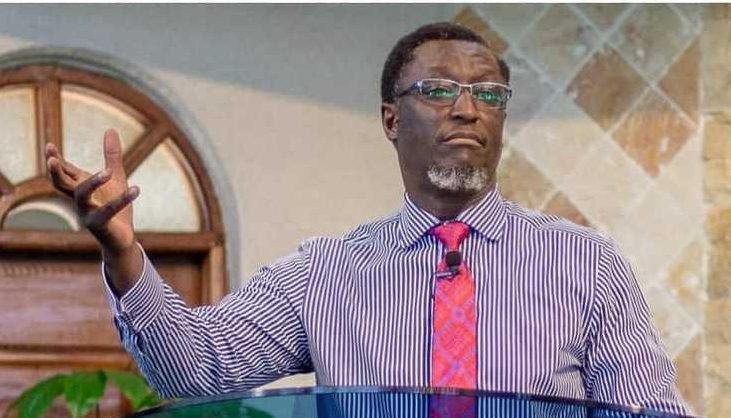
In a significant turn of events, prominent church leaders in Kenya have begun openly criticizing the government for its handling of the economy and the ongoing political strife between President William Ruto and the recently impeached Deputy President Rigathi Gachagua. This marks a departure from the church’s previous stance, which had largely aligned with and supported the government.
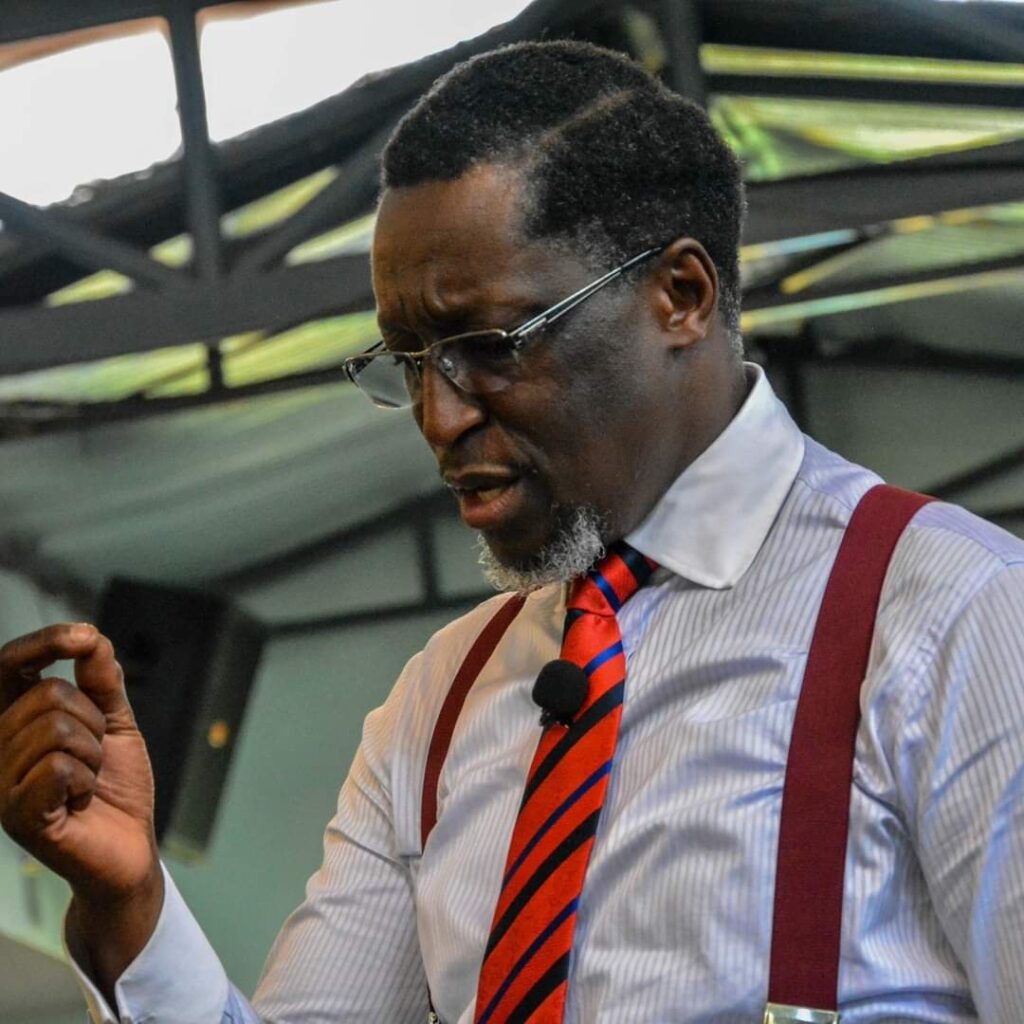
Rev. Tony Kiama delivered a scathing rebuke of the current administration, asserting, “This is not the government of God. The Bible says that we shall know them by their fruit… Hii serikali ni ya Shetani (This government is of Satan).” His statement highlights the growing frustration among religious leaders who feel the government has failed to uphold moral and ethical standards. Kiama specifically blamed church elders for misleading the community by endorsing the election of President Ruto and his deputy.
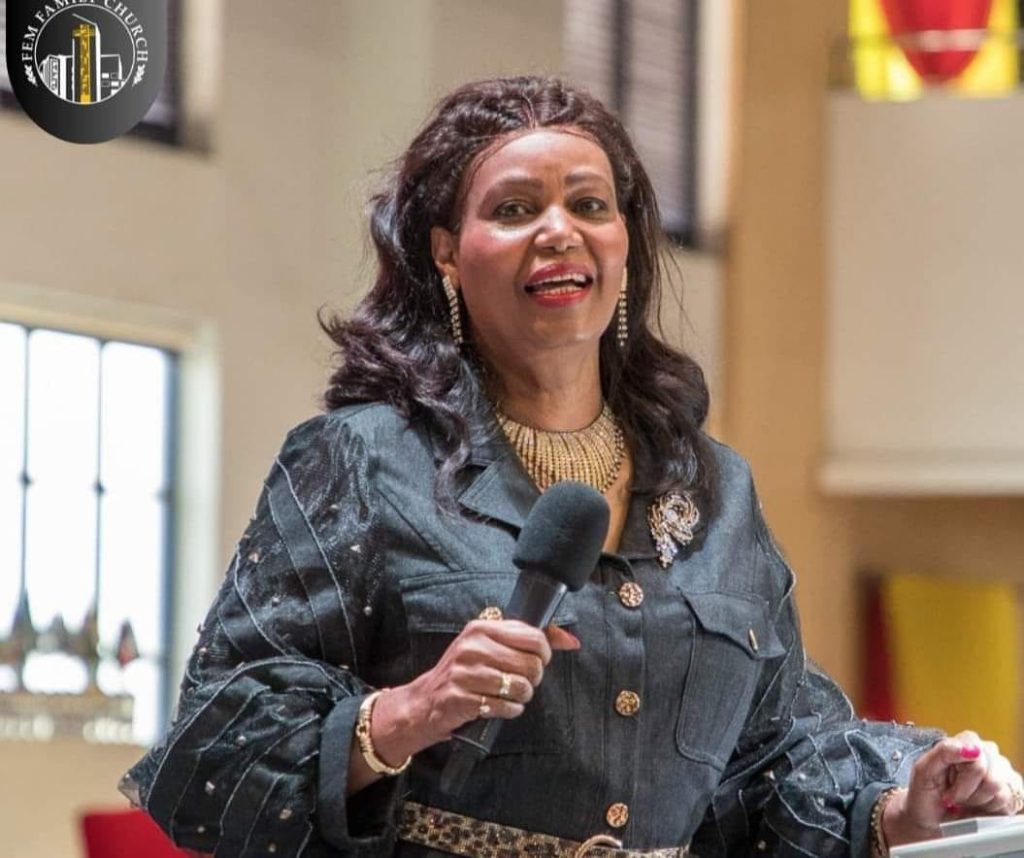
Similarly, Rev. Teresia Wairimu expressed her disillusionment, stating, “All along I thought that this government was from God, but to my embarrassment, it is a government of fights.” Her remarks reflect a sense of betrayal felt by many who had initially supported the leadership, expecting it to bring positive change and stability.
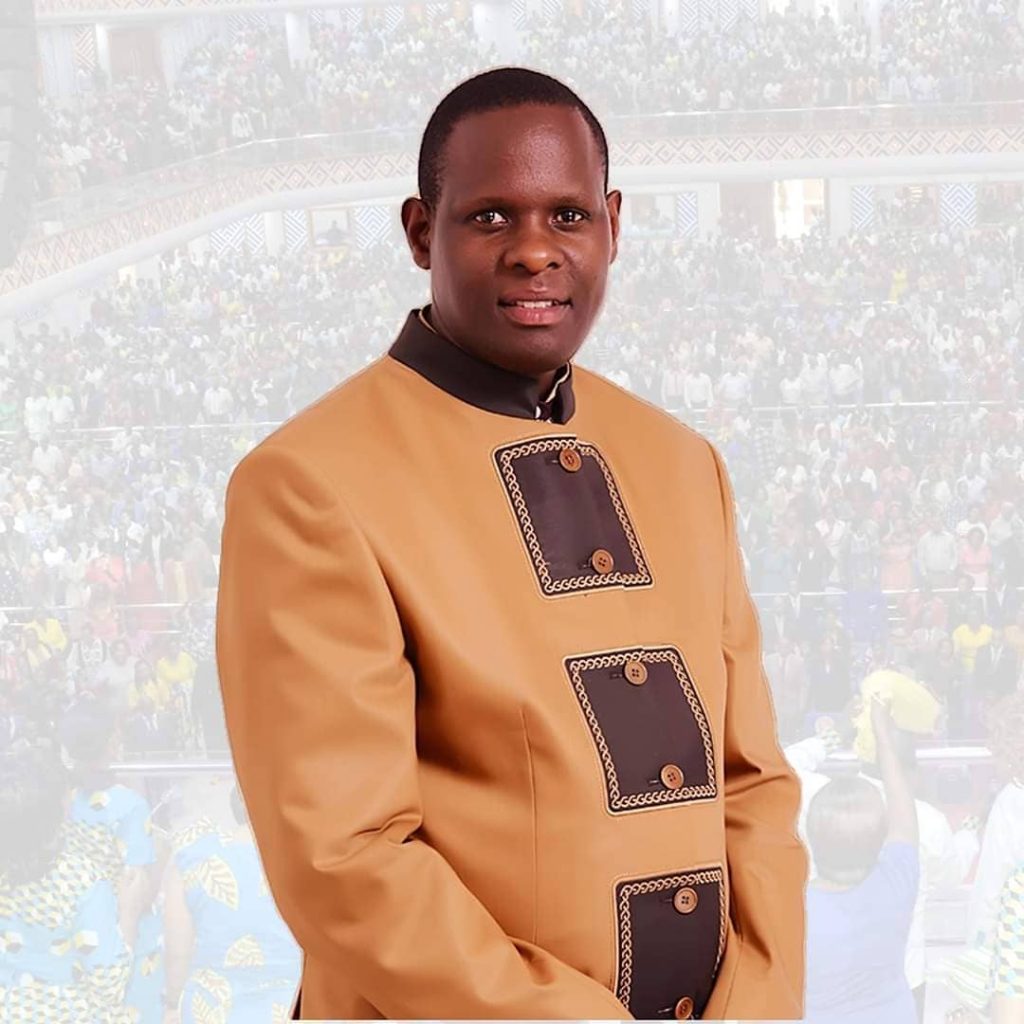
Apostle John Kimani William cited the Bible, quoting Matthew 7:2, “For with whatever judgment you judge, you will be judged; and with whatever measure you measure, it will be measured to you.” This verse underscores the irony of President Ruto’s current predicament, as he had previously criticized former President Uhuru Kenyatta for political infighting during his tenure as deputy.
The church’s vocal criticism comes at a time when Kenya is grappling with economic challenges and political instability. The cost of living has soared, and many citizens are struggling to make ends meet. The public feud between President Ruto and Deputy President Gachagua has only exacerbated the situation, leading to widespread discontent.
The bold stance taken by these church leaders signifies a potential shift in the relationship between the church and the state. It also highlights the church’s crucial role in holding the government accountable and advocating for the well-being of its people.
As the political and economic landscape in Kenya continues to evolve, the voices of religious leaders like Rev. Kiama, Rev. Wairimu, and Apostle William will likely play a significant role in shaping public opinion and influencing future developments. Their recent declarations serve as a reminder that the church remains a powerful force in advocating for justice, morality, and the common good in society.