
Victory for Wildlife: Two Arrested, Elephant Tusks Worth Over Sh5 Million Recovered


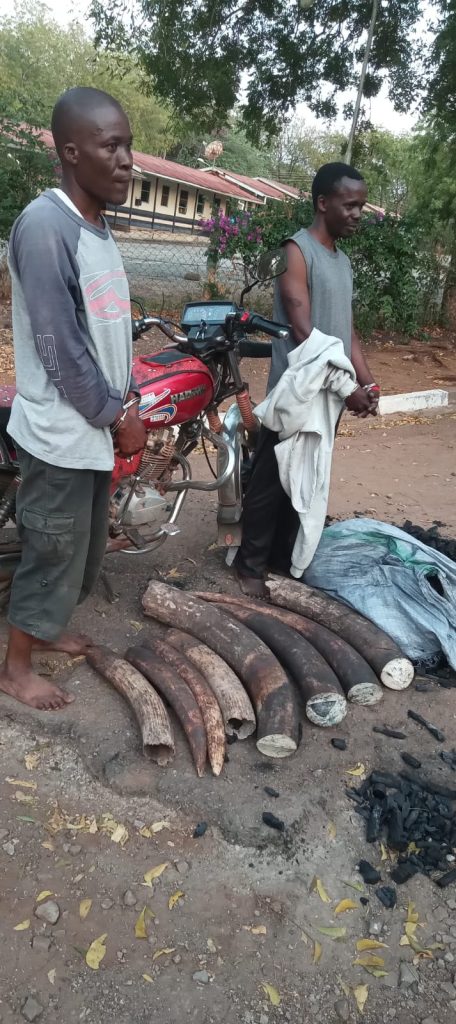
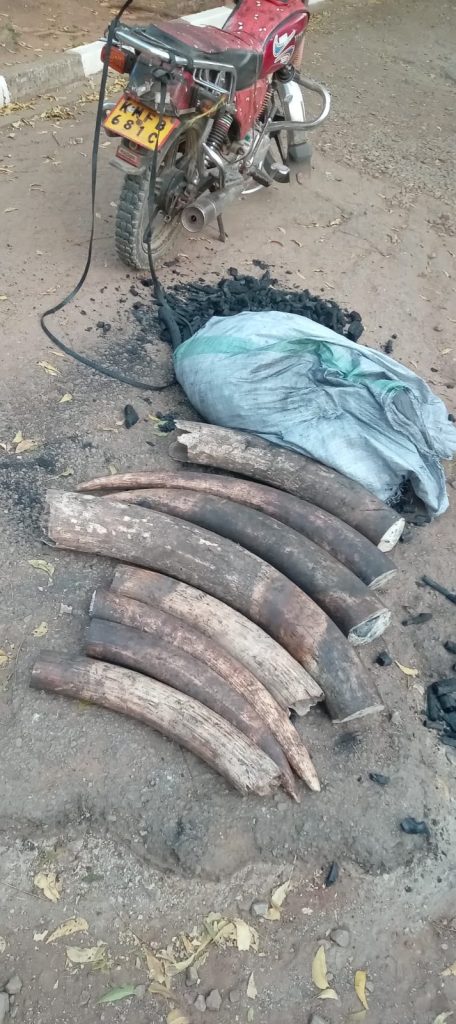
In a significant breakthrough for wildlife conservation efforts, officers from Lunga Lunga Police Station, in collaboration with Kenya Wildlife officers from Nairobi and Mombasa, successfully apprehended two wildlife traffickers. The operation resulted in the recovery of elephant tusks with an estimated street value of Sh5.8 million.
The Operation
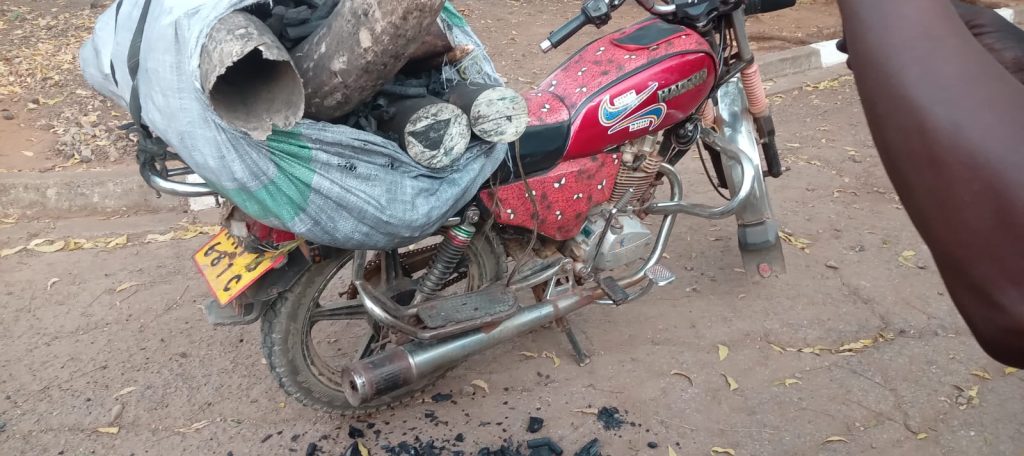
Acting on a crucial tip-off, the officers orchestrated a swift and coordinated operation, leading to the interception of a red Haojin motorcycle, registration number KMFB 681C. The motorcycle was ridden by Ali Salim, 32, with a pillion passenger, Jackson Kitsao, 53. Concealed within a sack of charcoal, the officers discovered eight pieces of elephant tusks weighing 58 kg.
The duo was promptly taken into custody and escorted to Lunga Lunga Police Station for processing, pending arraignment. This successful operation underscores the dedication and effectiveness of our law enforcement agencies in tackling wildlife trafficking.
The Importance of Elephant Conservation
Elephants are majestic creatures that play a crucial role in maintaining the biodiversity of their habitats. They help in seed dispersal and create water holes used by other wildlife. However, these gentle giants face the grave threat of poaching, driven by the high demand for ivory.
The illegal trade in elephant tusks is a significant factor in the decline of elephant populations across Africa. This illicit activity not only threatens the survival of the species but also destabilizes ecosystems and affects local communities that rely on wildlife tourism for their livelihoods.
Poaching Impact on Kenya’s Elephants and Rhinos
The proliferation of small arms in regions with large wildlife populations puts weapons in the hands of residents, presenting a serious threat to wildlife security. These weapons are used for poaching and committing other crimes. As demonstrated by recent trends, the poaching rate for elephants and rhinos has increased significantly over the past several years.
Escalation of Elephant Poaching
Since 2008, there has been a gradual but persistent escalation in elephant poaching across Kenya. Poachers employ diverse methods to kill elephants and transport their ivory, effectively circumventing law enforcement efforts. Ranches and community conservancies, which are critical habitats for these majestic creatures, often lack the capacity to handle wildlife security challenges, making them soft targets for armed poaching gangs.
The Plight of Rhinos
The Kenya Wildlife Service (KWS), the state agency responsible for conserving and managing Kenya’s wildlife resources, has long been involved in rhino conservation. Historically, their efforts have helped curb rhino poaching and stabilize populations across the country. However, the recent surge in demand for rhino horns, particularly in Asia, has led to a significant increase in rhino poaching. This trend is not confined to Kenya alone but extends to other rhino range states as well .
The Role of Law Enforcement and Community Vigilance
The recent operation by Lunga Lunga Police Station and Kenya Wildlife officers highlights the importance of law enforcement and community vigilance in combatting wildlife crime. The successful interception of the traffickers and recovery of the tusks demonstrate the effectiveness of coordinated efforts and intelligence-sharing among various stakeholders.
The Directorate of Criminal Investigations (DCI) plays a pivotal role in these operations, reaffirming its commitment to safeguarding and protecting our wildlife. The collaboration between the DCI, local police, and wildlife authorities is essential in bringing poachers to justice and dismantling trafficking networks.
Moving Forward
While this operation marks a significant victory, the fight against poaching and wildlife trafficking is far from over. Continued efforts are needed to strengthen law enforcement capabilities, enhance community awareness, and reduce the demand for ivory and other illegal wildlife products.
Supporting conservation initiatives and promoting sustainable tourism can also contribute to the protection of elephants and other endangered species. By working together, we can ensure that future generations will have the opportunity to witness the beauty and grandeur of elephants in the wild.
Conclusion
The arrest of the two traffickers and the recovery of elephant tusks worth over Sh5 million is a testament to the relentless efforts of our law enforcement agencies. Credit goes to the Directorate of Criminal Investigations for their crucial role in this operation. Let us all remain vigilant and committed to the cause of wildlife conservation, ensuring a safe and thriving environment for our majestic elephants.
Data and insights for this article are credited to the Directorate of Criminal Investigations (DCI), Kenya Wildlife Service and the United Nations. For more information on the fight against wildlife trade in Kenya, visit United Nations Chronicle.


